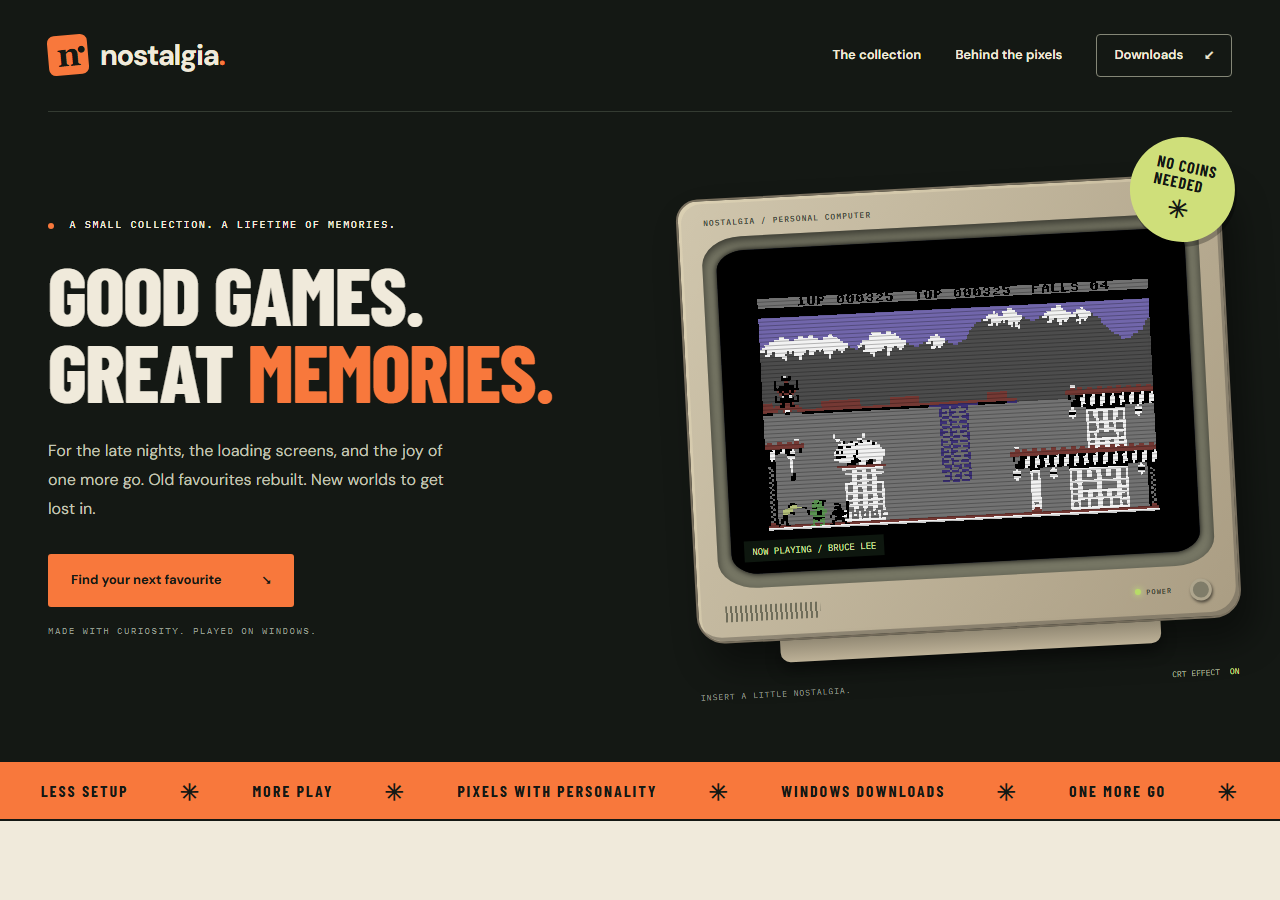
Somewhere in a box in my parents' house there is still a Commodore 64 and a stack of cassettes. I have written before about how a Marathon 32K and that C64 turned me into a programmer, and about What.Music, the side project where friends rank songs. This is the other side project: nostalgia.nostdahl.com, a personal collection of old games rebuilt and new ones made in the same spirit. The tagline says what it is for: keep the good games going.
Not the games, the feeling
What I missed was never a specific game. It was the feeling of a machine with sixteen colours and a few kilobytes of memory that still seemed to contain everything. You loaded something, it did not work, you poked at it until it did, and that was the evening. Modern games are better in every measurable way and I rarely finish one.
So the collection is built around that feeling rather than around accuracy. Each game is rebuilt because I was curious how it worked, and the new ones are made with the same constraints in mind: a small palette, direct controls, nothing to configure before you can play. There is even a CRT effect toggle, because a flat pixel-perfect image never looked right to me.
The collection
At the time of writing there are four entries, filtered on the site as old favourites and new adventures.
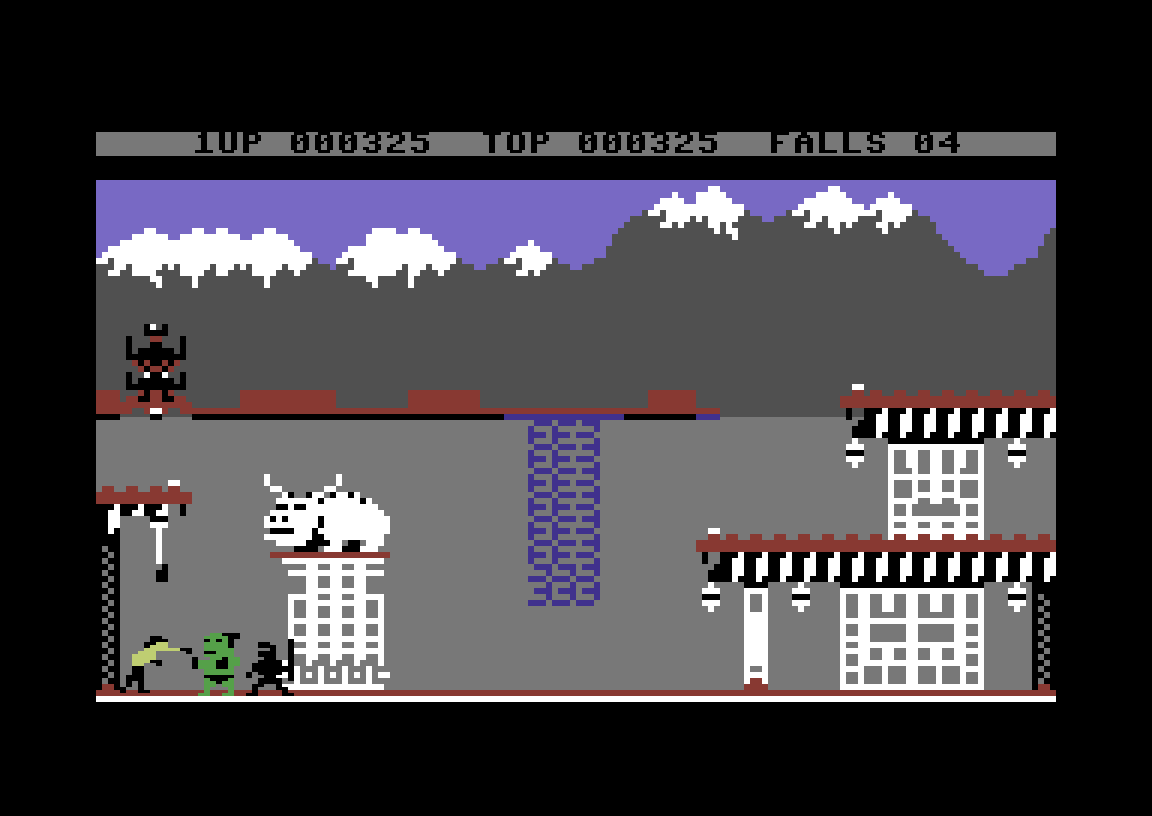
Bruce Lee (1984, reimagined). The Datasoft platformer for the Commodore 64 is the game I remember best: ladders, lanterns, flying kicks and that green sumo who would not leave you alone. My rebuild keeps the original pixel art and sound. The current development build has the original campaign plus the first two chapters of a new story. The original was programmed by Ron J. Fortier with graphics by Kelly Day, and the site credits them on every page, because this is an independent remake made out of admiration, not a replacement.
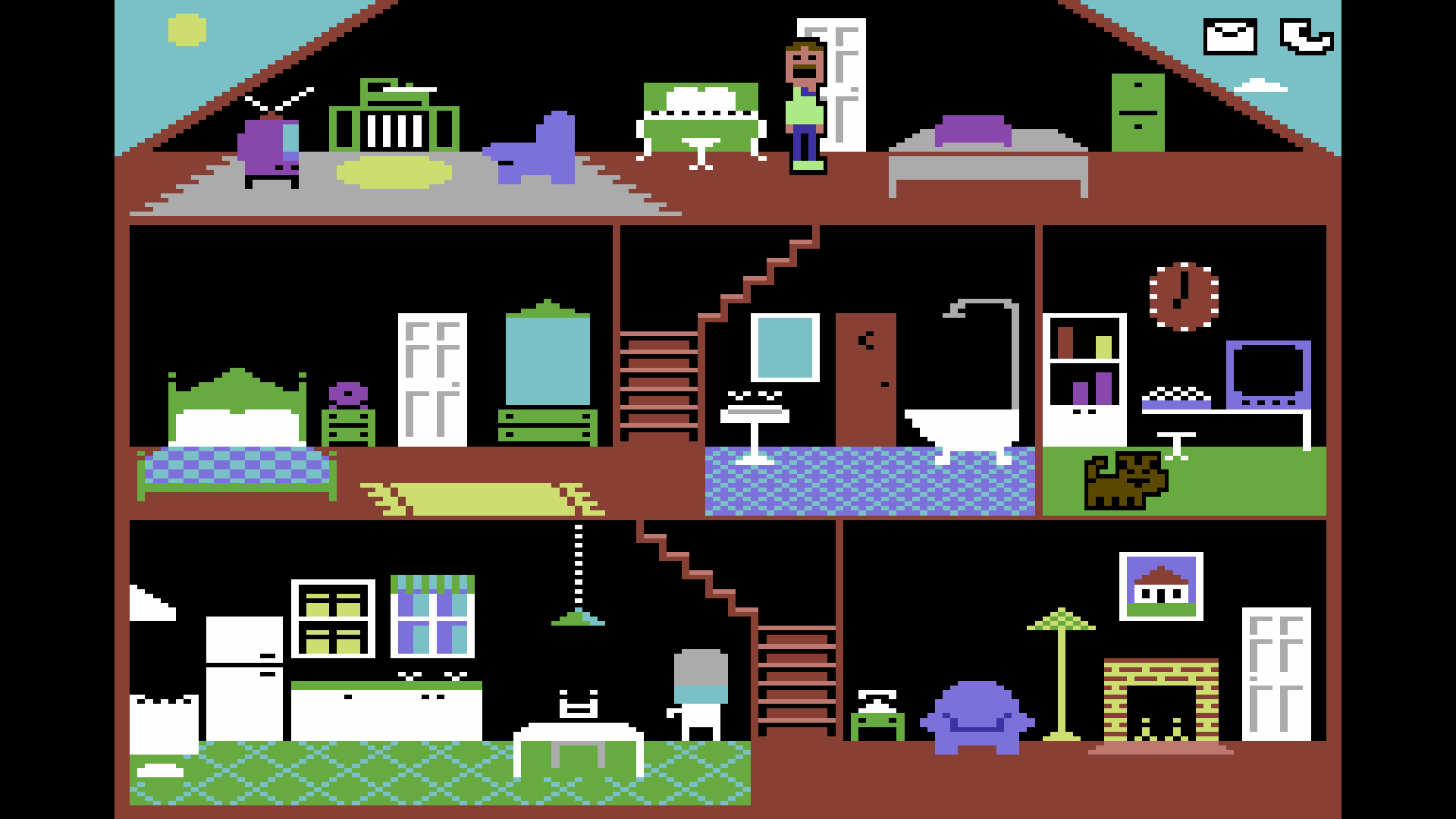
Little People (1985, reimagined). Inspired by Activision's Little Computer People, the game where a small man lived inside your computer. In my version a resident and his dog go about their day whether or not you are watching. You can drop in for piano practice or dinner, check what he needs, open his mail, answer his phone. The house remembers you between visits. There are optional online and AI features so he can be a little more surprising, but they need your own service configuration, and nothing is required just to watch him live his life.
ELIZA (Model 100 BASIC). The 1966 chatbot, written in BASIC for the TRS-80 Model 100 and playable in the browser on an emulated Model 100. She likes questions and remembers what you tell her, which is more than most chatbots of 1966 could say. The original BASIC listing is downloadable if you own a real Model 100 or prefer your own emulator. I built her before the current wave of AI assistants, and it is instructive to compare the two: a few hundred lines of BASIC can still hold a conversation for a surprisingly long time.
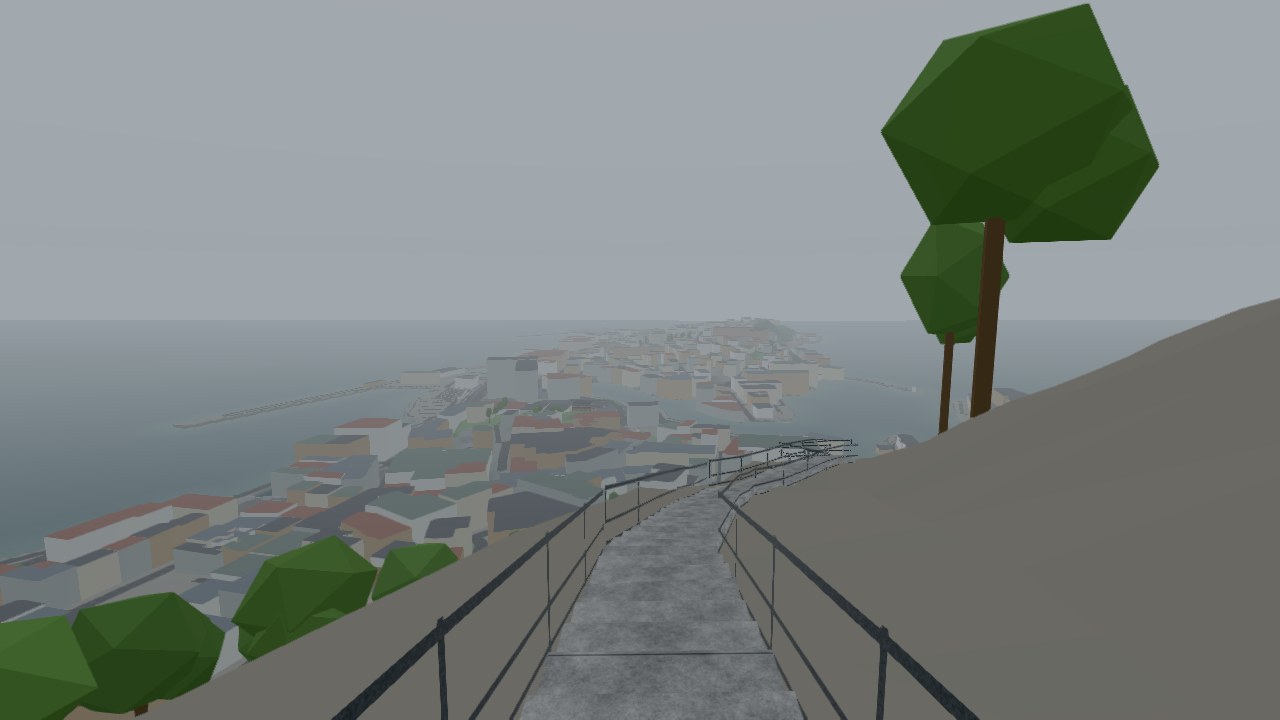
After the Bloom (new adventure). The one new game in the collection, and the one still in development. It is a 3D story adventure set in Ålesund, based on my novel of the same name. You walk the town, interact with what you find, keep a notebook and consult a map. The map data comes from OpenStreetMap, Kartverket and NIBIO, so the streets are the real streets. It recommends Direct3D 11 and unpacks its world on first launch, which takes a moment.
Download, double-click
Every game that has a Windows build ships as one self-contained 64-bit executable. The runtime and the assets are inside it, so there is nothing to install first. Progress is saved in the Windows user folder, which means the executable can live on a USB stick or in a downloads folder and still remember where you were. Each download lists its size and a SHA-256 checksum.
Regular readers will notice something. In February I wrote that unsigned executables teach users to click past warnings, and these builds are unsigned. They are development editions, and signing is on the list for the first proper release. Until then the checksum is there so you can verify what you downloaded, and I have decided that publishing an honest beta beats sitting on it until it is perfect.
What I learned building it
Rebuilding a game from 1984 teaches you how much those programmers achieved with nothing. The movement in Bruce Lee feels simple until you try to reproduce it and discover how much tuning went into a jump. Little People taught me that a character who ignores you is more charming than one who waits for instructions. ELIZA taught me that a chatbot's quality is mostly in how it asks questions. And After the Bloom is teaching me that a town you know by heart is very hard to render in a way that feels like walking through it.
None of it is finished, and I am not sure it is meant to be. The site will grow as curiosity strikes.
Questions for you
- Which game from your first computer would you want rebuilt, and what would you refuse to let anyone change about it?
- If you try Little People: does the resident feel alive, or does he feel like a screensaver? Be honest.
- Anyone in Ålesund willing to walk around After the Bloom and tell me which streets feel wrong?
- Does the CRT effect help, or is it just me?
Email me at bjorn.nostdahl@nostdahl.com, and then go have one more go.